Parade of Homes Boise: What to Look For and How to Make the Most of Your Visit
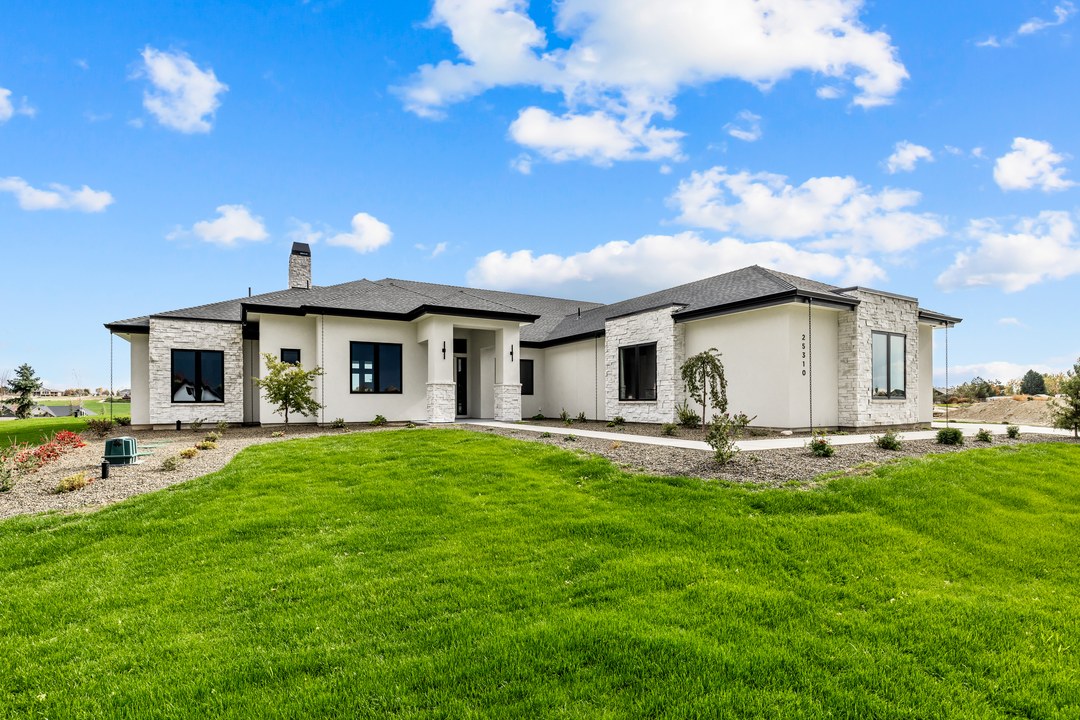
Why the Parade of Homes Matters If You're Planning to Build
The Parade of Homes in Boise happens once a year, and if you are thinking about building a custom home, it is one of the most efficient uses of a weekend you will find. You get to walk through finished homes built by local builders, see how different design decisions work in three dimensions, and meet the people who did the work. That last part matters more than most visitors realize going in.
The Parade is not a showroom. These are real homes with real budgets, built under the same permit and inspection requirements your project will face. The finishes, the layout decisions, the way a great room feels when it is actually framed and furnished — all of that translates directly to the choices you will be making. And because multiple builders participate, you can compare approaches to similar problems in a single afternoon.
What to Pay Attention to During Your Walk-Through
Most people tour Parade homes the way they tour open houses: they notice the granite and move on. That is fine if you are shopping for a finished home. If you are planning to build, you want to reverse-engineer what you are looking at.
Start with the floor plan. How does traffic flow from the entry to the kitchen to the outdoor space? Where did the builder put mechanicals, and how does that affect usable square footage? A furnace closet in the middle of a hallway costs you nothing. A furnace that eats into a walk-in closet costs you hanging space. Those are the trade-offs a custom builder navigates every day, and a Parade home shows you what one team decided.
Look at ceiling heights and transitions between rooms. A vaulted great room sounds appealing until you see how it connects to an eight-foot hallway — some builders handle that joint beautifully, others do not. Natural light is another one: count the windows, note their placement, and notice which rooms feel bright at two in the afternoon in September. That tells you something about orientation and glass strategy you can apply to your own lot.
Finishes are the easiest thing to notice and the least useful thing to fixate on. Countertops and cabinet doors are catalog decisions. The framing, the sight lines, the way a room is proportioned — that is design, and it is harder to change later.
Questions Worth Asking the Builder's Representative
Every Parade home has someone on-site to answer questions, and this is where you separate the useful builders from the ones who showed up for foot traffic. Ask about the timeline: when did framing start, when did they get their certificate of occupancy, and what caused delays. Ask what surprised them about the site. Ask how they handled the permit process for anything unusual — a beam, a deck, a non-standard setback.
If you see something you want to replicate, ask what it cost and what drove that cost. A builder who can explain why a coffered ceiling added six thousand dollars to the budget — labor, materials, engineering time — is giving you information you can use. A builder who says it was not that much or waves the question off is not.
Using the Parade to Narrow Your Builder List
You will not hire a builder based on a Parade home, but you can absolutely eliminate builders based on one. If the tile work is sloppy or the paint lines are soft or the crawl space access is an unfinished hole in a closet floor, that tells you something about quality control. If the staff cannot answer basic questions about the build, that tells you something about communication.
Pay attention to how the builder's representative talks about the homeowner. Do they describe the project as a collaboration, or do they describe it as the builder's vision? Custom home building is a process where you make dozens of decisions that affect each other, and the builder's job is to help you make them in the right order. If the person at the Parade talks like they are selling you a finished product, they probably approach the work that way too.
Take notes and business cards. When you get home, compare what you saw to what each builder shows on their website and in their portfolio. Consistency matters. A builder who delivers the same level of detail across five Parade entries over three years is a builder with systems.
What Happens After the Parade
The Parade is a starting point, not a shortcut. After you have seen the homes and talked to the representatives, the next step is a sit-down meeting to talk about your lot, your budget, and your timeline. That meeting will tell you more about whether a builder is a fit than any single home tour ever could.
If you are planning to build in the next twelve months, visit the Parade with a list of questions and a notebook. If you are earlier in the process, go to get a sense of what is possible and what the current quality standard looks like in the Boise market. Either way, it is two days a year when you can see a lot of work in a short amount of time, and that is worth the drive.
Moorhouse Homes participates in the Parade each year. If you would like to talk about what you saw or how it applies to a project you are planning, reach out and we will walk through it with you.